The effects of electricity on humans
If one wishes to investigate the effects of artificial electricity on humans, it is only logical that this should be done at a time when they are not exposed to any artificial electricity other than that used in the experiment. This was possible in the 18th century, and by the end of the century, a long list of effects had been reported.
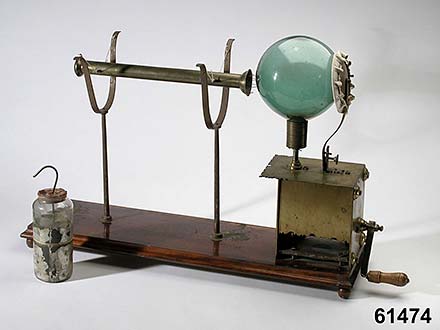
That was in the past, though
At the time, it was widely accepted that electricity could cause these effects. The test subjects were only exposed to artificial electricity during the experiment itself. As no one saw any practical use for electricity, there was no need for greenwashing. Today, we are constantly surrounded by electricity and its electromagnetic fields, and we depend on electricity to live the lives we are accustomed to. Officially, our use of electricity and its radiation has no negative effects.
Therapeutic and neutral effects
Change in pulse rate
Sensations of taste, light and sound
Increase of body temperature
Pain relief
Restoration of muscle tone
Stimulation of appetite
Mental exhilaration
Sedation
Perspiration
Salivation
Secretion of ear wax
Secretion of mucus
Menstruation, uterine contraction
Lactation
Lacrimation
Urination
Defecation
Non-therapeutic effects
Dizziness
Nausea
Headache
Nervousness
Irritability
Mental confusion
Depression
Insomnia
Drowsiness
Fatigue
Weakness
Numbness and tingling
Muscle and joint pains
Muscle spasms and cramps
Backache
Heart palpitations
Chest pain
Colic
Diarrhea
Constipation
Nosebleeds, hemorrhage
Itching
Tremors
Seizures
Paralysis
Fever
Respiratory infections
Shortness of breath
Coughing
Wheezing and asthma attacks
Eye pain
Ringing in the ears
Metallic taste1
Footnotes
- Arthur Firstenburg, The Invisible Rainbow: A History of Electrificity and Life, Chelsea Green Publishing: London, UK (2020), table 1, p. 28.